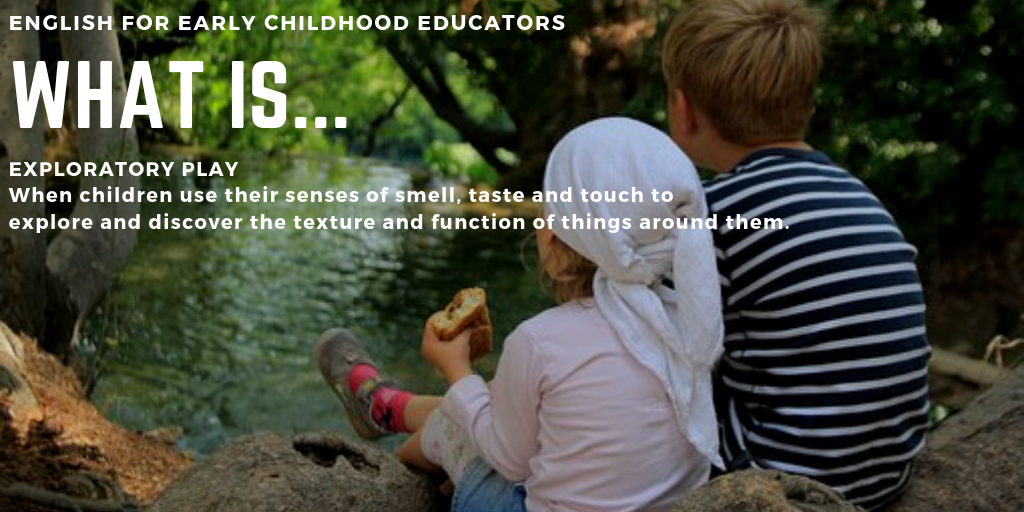
English for Early Childhood Educators

Welcome to my platform
I’m happy you stopped by and are interested in learning some new ways to improve your English skills for your work with young children.
My goal is to help you understand the little details of using English language to talk effectively and make positive connections with children and colleagues in and out of the playroom.
No worries if you're not an English expert, the goal is to help you gain confidence with every day conversations in the field.
Who am I?
I'm an Ottawa native who graduated Carleton University (English and Psychology) then early childhood education, and resource teacher diplomas from Algonquin College.
After working in a variety of child care programs, from an on floor teacher to program supervisor, I'm now a professor at Algonquin College teaching ECE and English for ECES courses.
My passion for teaching stems from my love of helping new educators see the joy of working with young children.

An Essential Guide for ESL ECE Professionals.
This comprehensive informational guide has been carefully crafted to support ESL child care people working or wanting to work in the field of child care in Canada. Whether you're a long time childcare provider or just beginning your journey, this resource aims to equip you with the knowledge and skills necessary to excel in this important profession.
How Does Learning Happen Made Easy
It is Ontario’s pedagogy for the early years.
It is a professional learning resource guide for those working with young children and families.
IT is intended to support curriculum and program development in early years programs.
It is organized around four foundational conditions that are important for children to grow and flourish: Belonging, Well-Being, Engagement, and Expression.
BELONGING refers to a sense of connectedness to others, an individual’s experiences of being valued, of forming relationships with others and making contributions as part of a group, a community, the natural world.
WELL-BEING addresses the importance of physical and mental health and wellness.
ENGAGEMENT suggests a state of being involved and focused.
EXPRESSION or communication (to be heard, as well as to listen) may take many different forms.
"The four foundations are a vision for all children’s future potential and a view of what they should experience each and every day."
They apply regardless of age, ability, culture, language, geography, or setting.
They are aligned with the Ontario kindergarten program.
They are conditions that children naturally seek for themselves.
HOW DOES LEARNING HAPPEN? asks educators to be attuned to what children know, what they wonder about, and what are their working theories about the world around them.
Asking “How do children demonstrate they are competent and capable of complex thinking?” helps educators build on what children already know and can do.
Asking “How is a child’s current approach to a problem different from an earlier response?” helps educators to identify the progression of learning and the increasing complexity of approaches.
Asking “What questions and theories do children have about the world around them? How are they going about finding answers to their questions or testing their theories?” helps educators to be co-learners with children.
Asking “How do children form relationships with one another?” helps educators understand where children might need assistance in engaging in positive interactions.
“ENGAGEMENT” refers to a state of being genuinely involved and interested in what one is doing.
Optimal conditions for learning occur when we are fully engaged.
For children, this happens when children's play evolves from their natural curiosity – active play that allows children to explore with their bodies, minds, and senses, and stimulates them to ask questions, test theories, solve problems, engage in creative thinking, and make meaning of the world around them.
HOW DOES LEARNING HAPPEN? OUTLINES RECURRING THEMES IN HIGH-QUALITY EARLY CHILDHOOD PROGRAMS:
Establish positive, responsive relationships with children and their families.
Value children as individuals and as active and competent contributors with their own interests and points of view.
Recognize the connection between emotional wellbeing and social and cognitive development and the importance of focusing on these areas holistically.
Provide environments and experiences for children to explore ideas, investigate their theories, and interact with others in play.
Engage with families and support each child within the context of his or her family, recognizing that family and child well-being are inextricably linked.
Provide ongoing opportunities for educators to engage in critical reflection and discussion with others about pedagogy and practice to support continuous professional learning and growth.
HOW DOES LEARNING HAPPEN OUTLINES SOME EXPECTATIONS FOR EDUCATORS
CULTIVATE authentic, caring relationships and connections to create a sense of belonging among and between children, adults, and the world around them.
NURTURE children’s healthy development and support their growing sense of self.
PROVIDE environments and experiences to engage children in active, creative, and meaningful exploration, play, and inquiry.
FOSTER communication and expression in all forms.
How Does Learning Happen? Ontario’s Pedagogy for the Early Years. Ministry of Education. Ontario. 2014.
HELPFUL IDEAS
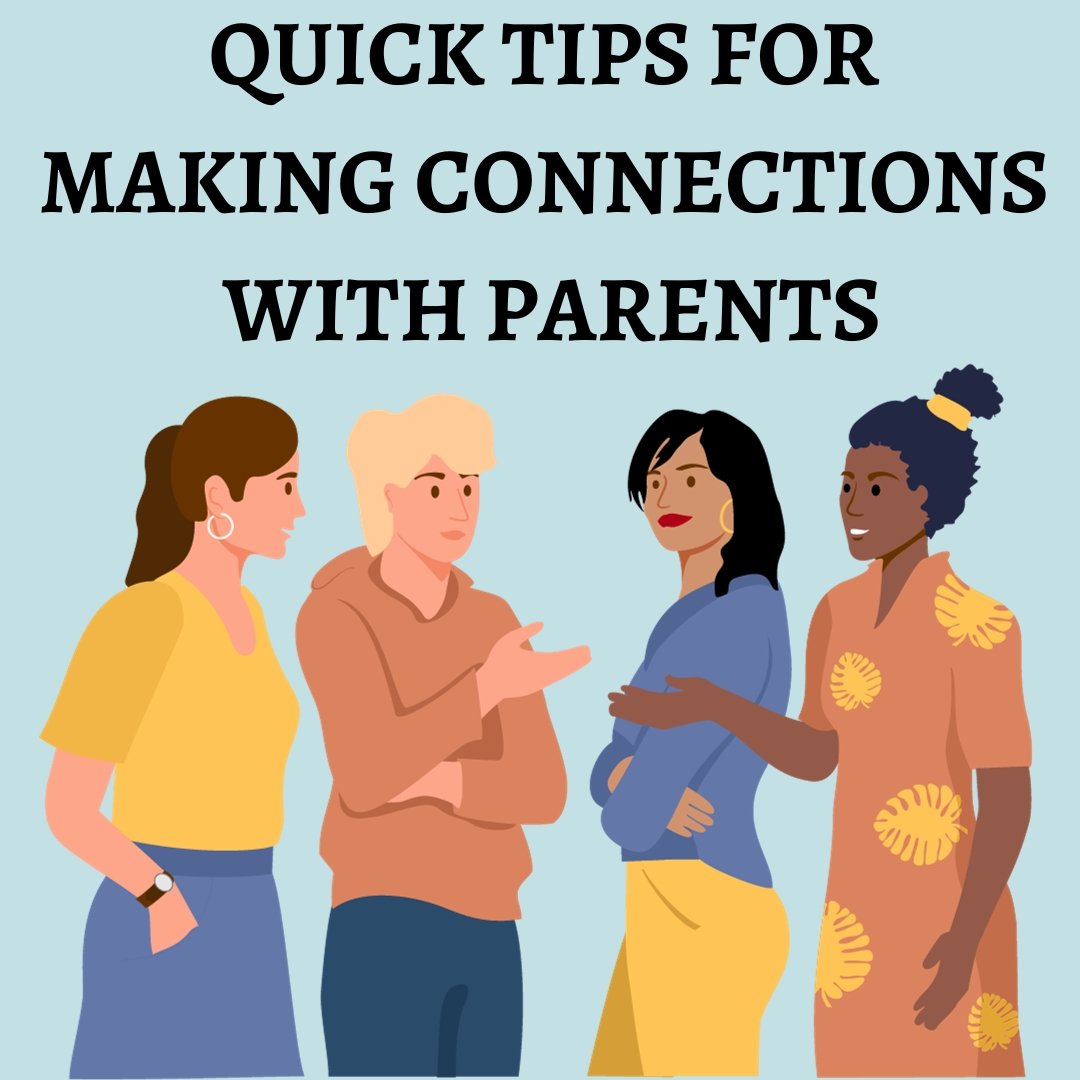
MAKE A LIST of all the children with the parent's name beside child. Keep the list handy; on your sign in/out attendance so you can refer to it during drop-off and pick-up times when you can use the parents' names in greeting the most.
SMILE at parents when they arrive, even if you are engaged in another activity. Take time to make eye contact and smile.
SET ASIDE TIME, EVERY DAY to speak to a parent about something positive that has happened with their child. Use an example of something small but fun the child has done. This makes it easier, if the time ever comes for a more serious or involved talk. Practice small discussions to build a familiar connection.
ASK PARENTS ABOUT THEIR DAY. It's a nice way to learn about what parents do; are they students, working full time, job hunting. The knowledge will help you make connections between parents too.
ADDRESS PARENTS' CONCERNS or questions in a timely manner. Don’t put off calling a parent back. Make contact and reassurance a priority. Convey the message that you hear and understand their concern.
LISTEN TO PARENTS when they are speaking to their child. You will pick up on the nature of their relationship and their child management style.
LET THE PARENTS GET TO KNOW YOU. Parents don’t need to know everything, but remove the mystery about yourself, where you're from, where you went to school, how long you've worked in child care.
HOST A MINI DISPLAY. At pick up time, have a table with a programming display of the children's art work or panel of learning stories. Parents can peruse and enjoy the display while their children get dressed. The display will also present some nice talking points between parents and the staff.
_______________________________________
ENROLL IN ENGLISH CLASSES specifically for early childhood education professionals. This allows you to learn vocabulary and terminology relevant to the field.
JOIN PROFESSIONAL ASSOCIATIONS like the Canadian Child Care Federation which provide resources and professional development opportunities.
READ BOOKS, JOURNALS, AND ARTICLES about early childhood education in English to build vocabulary. Make lists of key terms.
LISTEN TO PODCASTS made for child care providers and preschool teachers. Pause to look up new words.
PRACTICE CONVERSING with colleagues, families, and children about common early childhood topics to improve fluency.
KEEP A SMALL NOTEBOOK handy to write down new words or phrases you encounter, then study the list.
SEEK A MENTOR - a fluent English speaking educator who can provide feedback on areas needing growth.
EXPLORE FREE LANGUAGE learning apps that allow you to study early childhood vocabulary through games, quizzes and interactive exercises.
OBSERVE NATIVE ENGLISH SPEAKING teachers' interactions and communication style with children to learn through example.
_______________________________________
COMMUNICATE openly about your English abilities and don't be afraid to ask clarifying questions.
REQUEST a mentor teacher who can help explain routines, documentation, curriculum, etc.
OBSERVE carefully when receiving instructions and ask colleagues to rephrase when needed.
DEVELOP resources like visual aids, gestures, and props to support student comprehension.
VOLUNTEER for tasks that help improve your language skills like reading stories aloud, giving circle time reminders.
ASK for opportunities to lead small group lessons or learning centers based on your strengths.
EXPLAIN cultural perspectives you bring that may influence your teaching beliefs and style.
SHARE knowledge of dual language learning strategies and diverse teaching experiences.
PARTICIPATE actively in meetings and planning sessions to continue improving your professional English.
With children:
USE VISUALS, demonstrations, and gestures to reinforce your verbal instructions.
ALLOW TIME for children to process your directions and check frequently for understanding.
UTILIZE YOUR cultural background to enrich the classroom through activities, decor, stories, etc.
BUILD RELATIONSHIPS through smiles, high fives, playing alongside children during centers.
_______________________________________
RECENT BLOG POSTS
MINDFULNESS AND PURPOSE IN EARLY CHILDHOOD EDUCATION
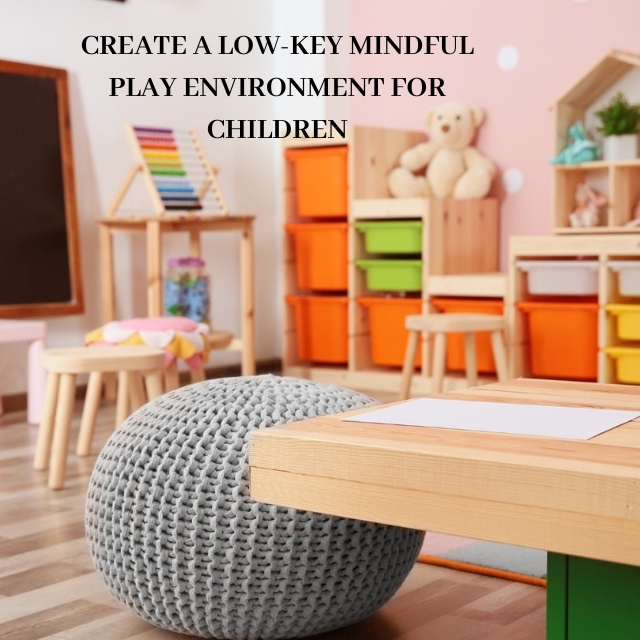
September is a season of mixed emotions, marked by excitement, curiosity, and apprehension. These feelings often leave children feeling unsettled throughout the day.
Within this whirlwind of emotions and activity, teachers have a unique opportunity to soothe the chaos by establishing a low-key, mindful classroom. Such a space can serve as a grounding sanctuary for children, offering the stability they need to navigate this bustling period with greater ease...(click button to read more)
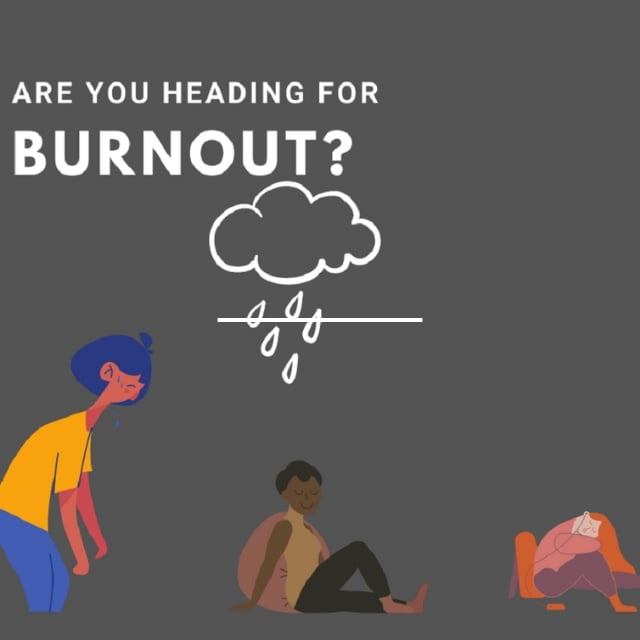
You get out of the car to walk into your program and tears are already in your eyes. You're tired and frustrated and you haven't even gotten in the door yet.
You go through the morning drop off on autopilot, holding back snarky comments before you catch yourself staring around the playroom as if everything in front of you is just a rerun of a movie you've seen a hundred times before. When the children start arguing or try to show you their latest drawing, you can only muster up enough energy to grimace and redirect them back to play.

Slow living is making the conscious decision to slow down your life's pace and make the choice to stop being so busy. It is doing the things that are meaningful and fulfilling at a down tempo so you have time to thoroughly enjoy your everyday experiences.
Slow living is a journey toward long term changes to your personal quality of life and lifestyle. It is taking a moment to decide upon an acceptable level of life stress and not tolerating anything more, while steadily maintaining the things you what to keep in your life and eliminating the things you don't.
TWO NEAT THINGS

TOQUE A winter hat
THE HABS Montreal Canadians
KD Kraft Dinner (macaroni and cheese)
KITTY CORNER Something diagonally across from a reference point
TWO FOUR A case of 24 beer
THE BUDS Toronto Maple Leafs
CLICK 1 kilometer
KERFUFFLE A disagreement between people
DINGED When you get hit with an unexpected cost
QUEEN’S COWBOYS RCMP (old western term)
SNOWBIRDS People who spend Winter in warmer climates usually Florida
POGEY Unemployment benefits
LOONIE/TOONIE Nicknames for the one-dollar and two-dollar coins, respectively.
TIMMIES Short for Tim Hortons Coffee shop.
DOUBLE-DOUBLE Coffee with two creams and two sugars, at Timmies.
RINK RAT Someone who spends a lot of time at the ice rink.
WASHROOM The Canadian term for a restroom or bathroom.
CANUCK A nickname for Canadians, often used in a friendly or informal context.
POP Carbonated soft drinks. Americans might call it soda.
CHINOOK A warm wind that can cause rapid temperature increases.
POUTINE French fries topped with cheese curds and gravy.
SLUSHIE A frozen, flavored drink often found at convenience stores.

CURRICULUM - The content and structure of the lessons and activities
EMERGENT CURRICULUM - Curriculum that emerges from children's interests
PLAY-BASED LEARNING - Learning through play activities
INQUIRY-BASED LEARNING - Learning through questioning, problem-solving, and discovery
SCAFFOLDING - Providing support to help a child achieve just beyond their current skill level
GROSS MOTOR SKILLS - Physical abilities using large muscles (running, climbing, throwing)
FINE MOTOR SKILLS - Physical abilities using smaller muscles (writing, cutting, buttoning)
SELF-REGULATION - Ability to control emotions and impulses
OBSERVATION - Carefully watching children to assess skills and interests
LEARNING CENTERS - Designated classroom areas for specific types of play and learning
CIRCLE TIME - Whole group time for songs, stories, discussions
GROSS MOTOR ROOM - Indoor play space for physical activities
VISUAL AIDS - Charts, posters, pictures, diagrams to support learning
TRANSITIONS - Switching from one activity or place to another
ROUTINES - Regular procedures and sequences
LOOSE PARTS - Open-ended materials that can be moved and manipulated
EMERGENT LITERACY - Early reading and writing skills
BEHAVIOUR GUIDANCE - Strategies to guide appropriate behaviour
INCLUSION - Philosophy of including children of all abilities in programs

Share your thoughts and connect with me!
Thank you for getting in touch!
One of our colleagues will get back to you shortly.
Have a great day!