Prepare yourself for the Teaching Knowledge Test on Content and Language Integrated Learning by Cambridge University Press & Assessment
This course is designed as an exciting journey, brimming with fresh ideas on teaching techniques and practical activities that can be immediately put into action. You will have access to 'delicious' materials for self-study, self-assessment tools to track your progress, engaging communication, and plenty of joyful moments throughout, culminating in the final graduation mock test.
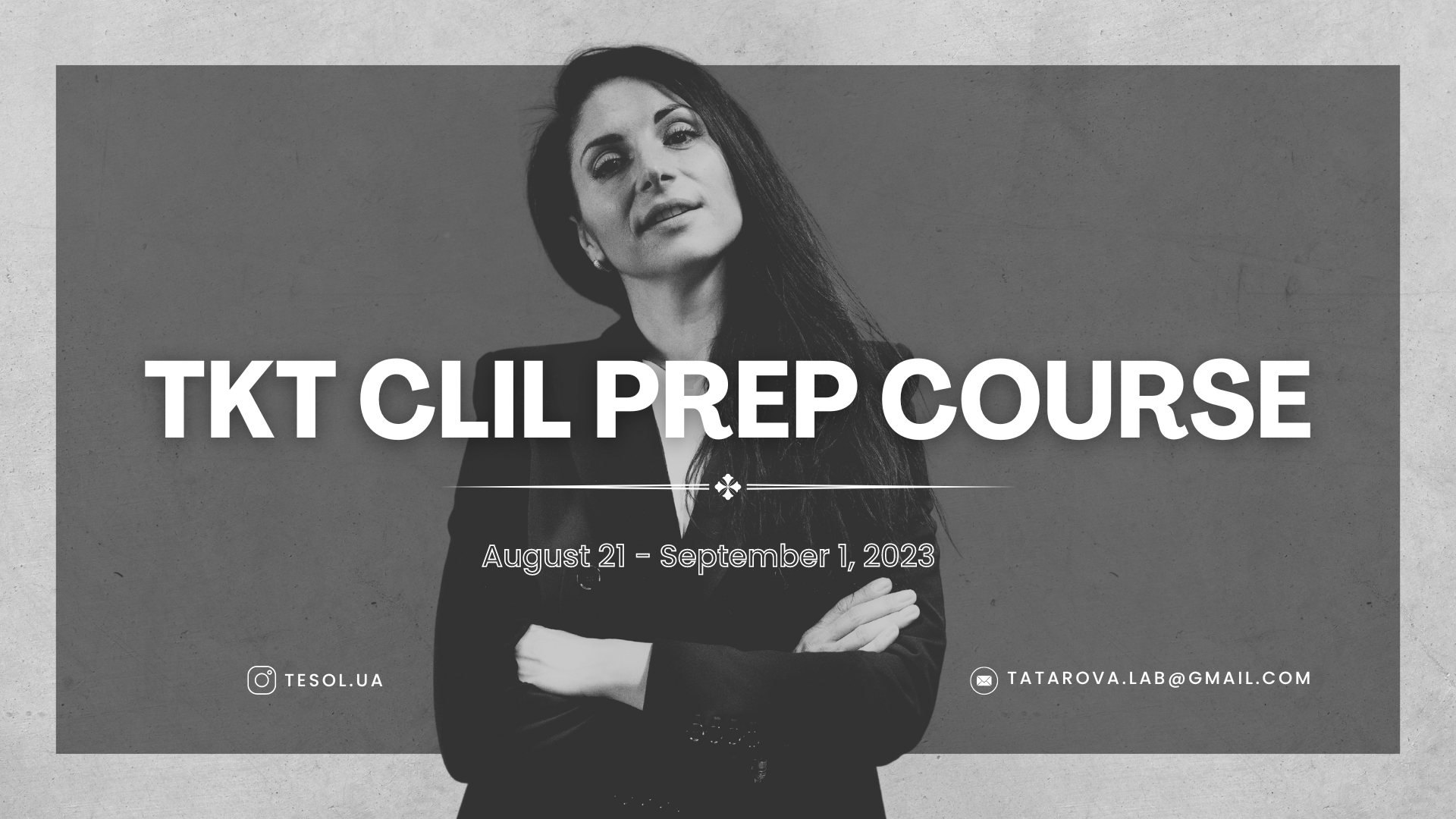
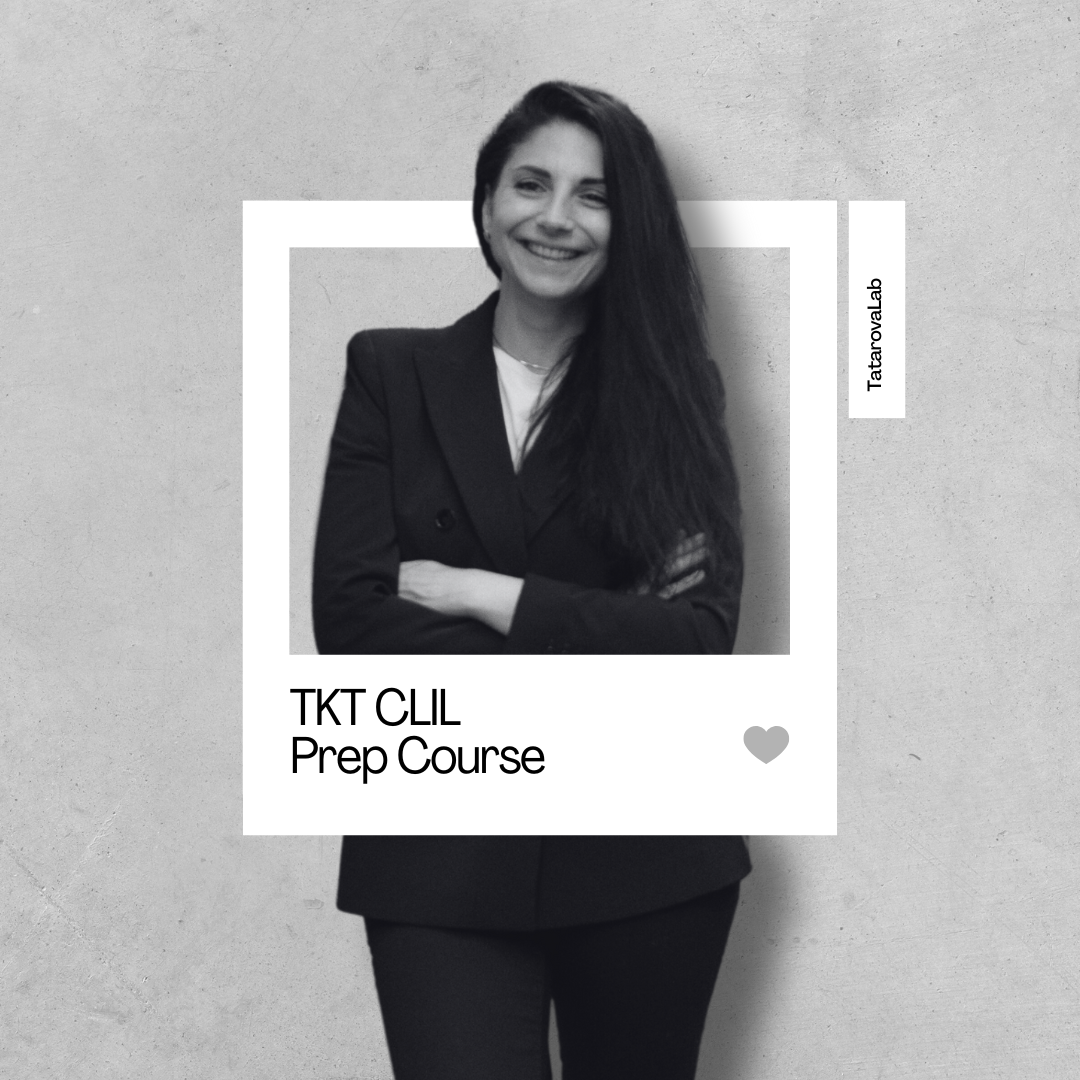
TKT CLIL Prep Course:
August 21 - September 1, 2023
Manageable Sessions
No one wants to sit through 8 hours of training. This is why the course consists of 8 sessions, 2 - 2.5 hours each.
Active Learning
The course promotes a hands-on approach that involves interactivity, discussion, and valuable feedback.

Self-Development
The course offers
supplementary readings, exercises to reinforce the exam glossary and revision materials.
The TKT: CLIL Preparation Course has no entry requirements
The TKT CLIL Preparation Course has no entry requirements, such as previous teaching experience, subject teaching, or language teaching qualifications. Participants should have at least an intermediate level of English and are expected to be familiar with the subject vocabulary from the curriculum. Examples of subject vocabulary with definitions are included in the course participant's kit, which will be sent as soon as the registration is confirmed.
The TKT CLIL Online Preparation course is built on 17 units across 8 sessions that will guide you in how to:
- describe the 4Cs of CLIL
- identify language forms needed for CLIL
- identify communicative functions used in CLIL
- match cognitive skills with activities and with question types
- identify a range of learning skills use in the classroom
- describe learning outcomes and identify parts of a CLIL lesson
- identify different text types and their purposes
- describe different visual organisers and recognize when to use them
- to be able to adapt subject-specific materials
- use a range of activity types in CLIL and match different activities with their purposes in the classroom
- identify the purpose of classroom language
- identify ways of scaffolding content and language
- identify learning strategies which are effective in different contexts
- identify ways to differentiate learning for more able and less able students
- identify the focus of CLIL assessment
- identify examples of assessment types
- match appropriate strategies to different assessment contexts
…and many more tips, tools and strategies.

Course Tutor: Eva Tatarova
Eva has been teaching CLIL lessons now and then for more than 7 years. In that time she has run different training sessions for English language teachers from Ukraine, the UK, Azerbaijan, Uzbekistan, Georgia, Iran, Jamaica etc.
Eva works extensively to promote CLIL methodology and the use of technology in the online and offline classroom environments.
She is currently a leader of an ELT educational community. She actively cooperates with teachers from more than 25 countries, runs international conferences, webinars and hosts teacher professional development courses offline and online.
This video is not a part of the course, although it is a good start for those who are thinking about starting to use CLIL. It will be useful not only for CLIL teachers but also for any educator who cares about fostering the inclusion of culture in our classrooms. You will look at the concepts of Big C culture as well as Small C culture and get some examples of different activities you can use in the classroom the very next day.
'When you start implementing CLIL in your classroom, the first three Cs are ok. Content… is clear. Communication… is obvious. Cognition… is a must! But what happens with Culture? When asked about this, some teachers claim that their subjects cannot deal with this;
others state that they do it, but in an implicit way; and a third group keeps on wondering: Culture, which culture?' Watch the webinar or read more here.
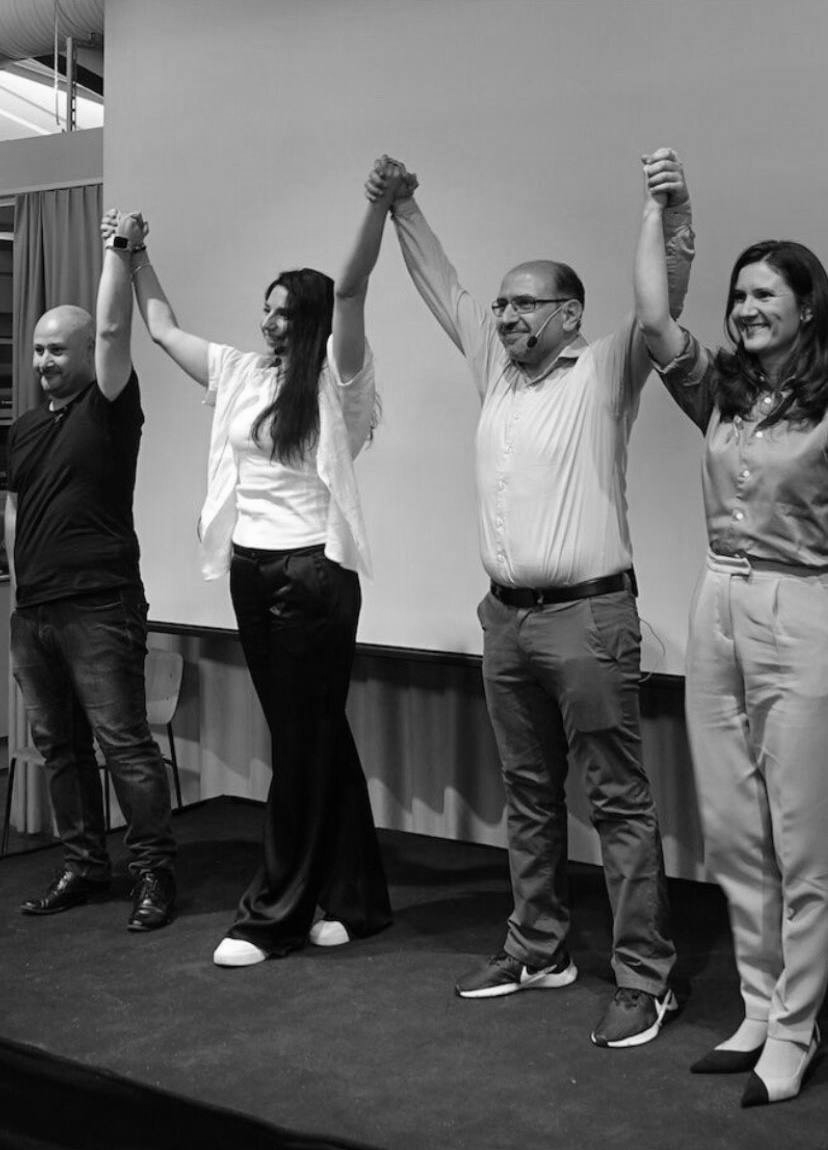
The Authentic Voices of Previous Participants